The Akpini War Dance: Exploring Its Significance in Traditional Literacy

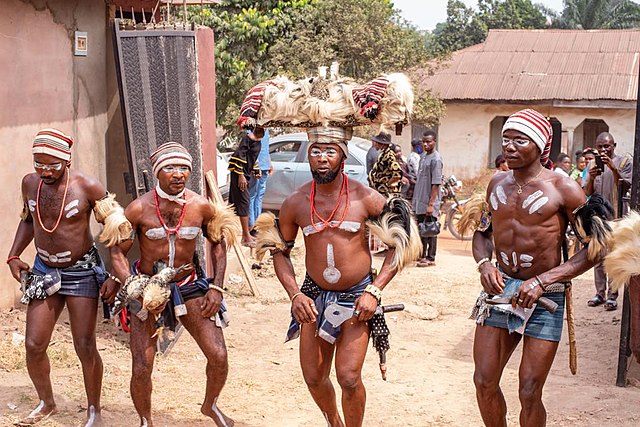
Nestled in the mountainous regions of the Volta Region, the Akpini people, an Ewe subgroup, boast a rich cultural heritage preserved through the enchanting Akpini War Dance.
This ancient ritual, steeped in historical and symbolic meaning, remains integral to the community’s traditional literacy. Originally performed as a pre-battle rite, the dance invoked ancestral spirits for protection and guidance, intimidated foes, and bolstered the morale of warriors.
Today, the Akpini War Dance offers insight into the Akpini people’s cultural values, historical narratives, and spiritual connections. “The Akpini War Dance is more than just a performance,” notes a community elder. “It’s a way to pass down our history, traditions, and values to younger generations.”
The dance features intricate choreography and rich symbolism. Performers don traditional attire, including animal hides, feathers, and beads. Facial markings signify strength and bravery, while drums and rattles facilitate communication with ancestors. The dancers’ agile footwork and acrobatic movements reflect the prowess of ancient warriors.

Beyond its visual splendor, the Akpini War Dance plays a crucial role in traditional literacy. It embodies cultural values such as courage, loyalty, and resilience, while recounting stories of battles, migrations, and ancestral heritage. Additionally, it fosters social cohesion, bringing community members together in a shared cultural experience.
“To understand the Akpini War Dance is to understand our identity,” a young community member asserts. “It reminds us of where we come from and who we are.”
Efforts are underway to safeguard this cultural treasure. Community initiatives focus on documenting and teaching the dance, while cultural festivals highlight its significance. Collaborations with schools aim to integrate traditional literacy into education, ensuring that cultural values and identities are transmitted to future generations.
However, challenges loom. Urbanization and cultural erosion threaten the dance’s survival, with limited documentation hindering preservation efforts. The influence of globalization also poses risks to traditional practices.

“The Akpini War Dance is a fragile thread connecting us to our past,” cautions a cultural expert. “If we don’t preserve it, we risk losing a vital part of our heritage.”
As the Akpini people work to maintain their cultural legacy, the War Dance stands as a powerful symbol of their resilience and traditions. This ancient performance continues to captivate audiences, inspiring a new generation to honor their cultural roots.
In a world where cultural identity is increasingly valued, the Akpini War Dance exemplifies the enduring power of traditional literacy.