
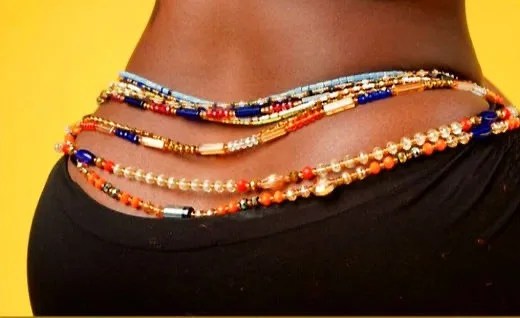
In the rich fabric of African culture, one element stands out for its profound beauty, symbolism, and enduring tradition, the Ghanaian waist beads. These delicate strands, often crafted from glass, metal, natural materials, or gemstones, carry more than just aesthetic value. They are a vibrant emblem of identity, femininity, and cultural heritage in Ghana.
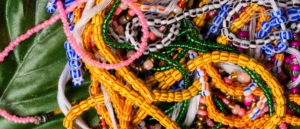
For anyone looking to embrace a touch of African tradition or simply enhance their attire with a beautiful accessory, Ghanaian waist beads offer a unique blend of cultural significance and modern elegance, suitable for various occasions.
From the moment of birth to the end of life, waist beads hold a special place in the lives of Ghanaian women. They are presented to newborns, worn by young girls, and cherished by women, marking important milestones, celebrating femininity, and even serving as a form of communication. Deeply woven into the fabric of Ghanaian traditions, waist beads are more than just decorative they are a living representation of cultural continuity.
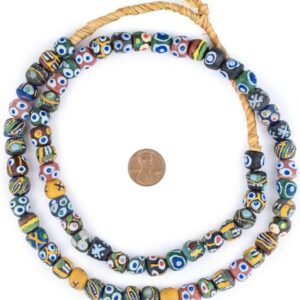
In this article, we will explore the intricate meaning and cultural importance of Ghanaian waist beads, uncover their historical roots, and understand how they continue to shape modern Ghanaian society. Whether you are of Ghanaian descent, fascinated by African traditions, or simply drawn to the mystique of these beaded strands, this guide offers valuable insights into the world of Ghanaian waist beads.
Beads in Ghanaian Tradition
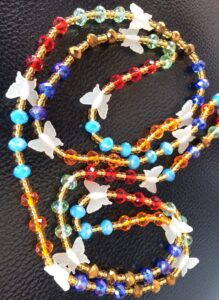
In Ghana, beads transcend mere adornment. They are treasured symbols, revered for their ability to communicate identity, status, and even spiritual protection. In particular, waist beads play an essential role in the lives of Ghanaian women, serving as a silent yet powerful language of expression.
Beads are more than just decorative elements. Each one—whether glass, metal, natural, or gemstone—tells a story. The colors, sizes, and arrangements of the beads convey a wealth of information about the wearer, from her personal identity to her social and spiritual standing.

The color of the beads, in particular, holds deep symbolic meaning. Gold beads, for instance, signify wealth and prosperity, white beads represent purity and spirituality, while green beads are linked to fertility and growth. Every strand of waist beads, with its unique combination of colors and materials, tells a personal story about the wearer’s life and heritage.
The Meaning Behind Ghanaian Waist Beads
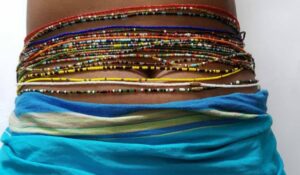
Traditionally, Ghanaian women adorn themselves with multiple strands of colored beads around their waists. These waist beads serve as more than just an accessory—they are a powerful celebration of womanhood. The vibrant colors and intricate patterns of the beads enhance the wearer’s femininity and reflect her life’s journey.
One significant role of waist beads is marking a girl’s transition into adulthood. At puberty, young girls are often adorned with their first set of waist beads as part of their coming-of-age ceremony. This is not only a rite of passage but also a subtle signal to the community that she has reached womanhood. The beads communicate messages about the girl’s age, marital status, and even her family’s lineage.
In contemporary times, waist beads have taken on additional roles. Many Ghanaian women use them as a tool for weight management. Worn snugly around the waist, the beads help track body changes; if the waist expands, the beads roll up or become uncomfortable, alerting the wearer to weight gain. This practice aligns with modern notions of body positivity, encouraging women to embrace and monitor their natural bodies with pride.
Waist Beads in Ghanaian Ceremonial Rites
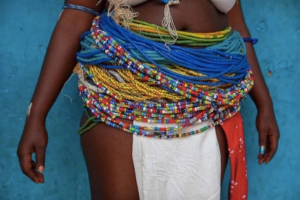
Waist beads also play a central role in traditional Ghanaian ceremonies, particularly in the rites of the Krobo people. Known for their exceptional bead-making skills, the Krobo people use beads extensively in their ‘Dipo’ ceremony, a rite of passage for young girls entering womanhood.
During the Dipo ceremony, the girls are adorned with beads around their waists, ankles, and necks. These beads are more than decorative; each color and pattern represents the girl’s family background, social standing, and wealth. The waist beads used in this ceremony are typically larger and more elaborate than those worn daily, providing insight into the girl’s lineage and potential future suitors.
Ankle and neck beads also carry significance during the ceremony. Ankle beads are believed to shape the girl’s walk, making it more graceful and feminine, while neck beads enhance her beauty. The Dipo ceremony beautifully illustrates how beads, particularly waist beads, are intricately linked to identity, status, and tradition in Ghanaian culture.
A Global Conversation on Culture and Identity

Ghanaian waist beads are far more than a fashionable accessory. They are a symbol of identity, a celebration of womanhood, and a testament to the rich cultural legacy of Ghana. From their role in ceremonial rites to their everyday significance, waist beads remain deeply interwoven into the cultural tapestry of Ghana.
As we’ve explored, beads in Ghanaian culture are used to communicate personal identity, connect with ancestral heritage, and express spiritual beliefs. Their influence on Ghanaian jewelry design and cultural practices is profound.
Beyond Ghana, waist beads have become part of a broader global conversation about cultural heritage, personal adornment, and identity. They invite people everywhere to appreciate the diversity of world cultures and to learn from the wisdom and creativity embedded in such traditions.
As we conclude our journey through the world of Ghanaian waist beads, we encourage you, the reader, to reflect on the beauty and depth of this cultural tradition. Let it inspire, educate, and connect you with a rich heritage that spans generations. After all, every bead tells a story, what will yours be?