

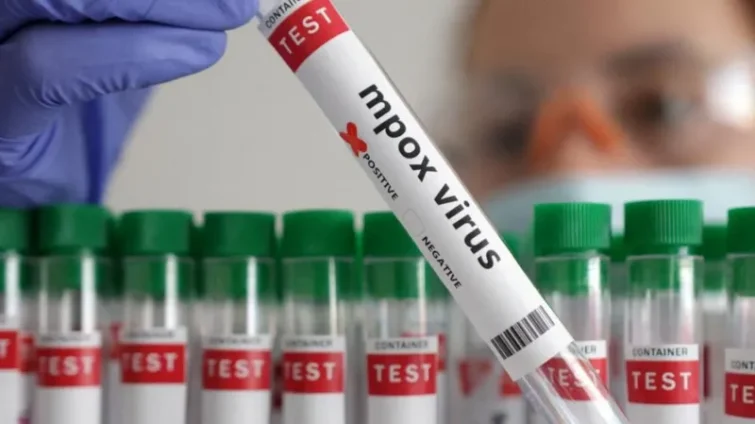
The World Health Organization (WHO) has announced the approval of the first rapid diagnostic test for mpox, marking a critical development in the fight against the rising global cases of the virus. This new PCR test allows immediate detection of mpox DNA from skin lesion swabs, offering a significant improvement over the current system, where samples must be sent to a laboratory, and results can take days.
Africa has been particularly affected by limited testing capacity and delays in confirming cases, leading to the rapid spread of mpox, formerly known as monkeypox. The WHO reports that out of the more than 30,000 suspected cases reported on the continent this year, only 40% have been confirmed through testing.
Yukiko Nakatani, WHO’s assistant director-general, hailed the new diagnostic tool as a “significant milestone,” emphasizing its potential to improve access to quality medical products. “Increasing access to quality-assured medical products is central to our efforts in assisting countries to contain the spread of the virus and protect their people, especially in underserved regions,” she said.
This breakthrough coincides with the Democratic Republic of the Congo’s (DRC) preparation to launch an mpox vaccination program, where the highest number of cases has been recorded. The virus has claimed at least 635 lives in the DRC this year alone.
In August, the WHO declared the mpox outbreak a global public health emergency for the second time in two years, as cases surged in the DRC and spread to neighboring countries, including Burundi, Uganda, and Rwanda.
Western nations have donated mpox vaccines to help control the outbreak in Africa, but more are urgently needed. Rwanda, the first African nation to administer mpox vaccines, is expecting an additional 5,000 doses on Friday, according to the Africa Centres for Disease Control and Prevention (Africa CDC). Nigeria is set to begin its vaccination campaign next Tuesday.
In the DRC, priority for vaccination will be given to frontline healthcare workers and close contacts of infected patients. The country is set to receive 200,000 vaccines donated by the European Commission, Africa CDC reported.
Source: BBC


