

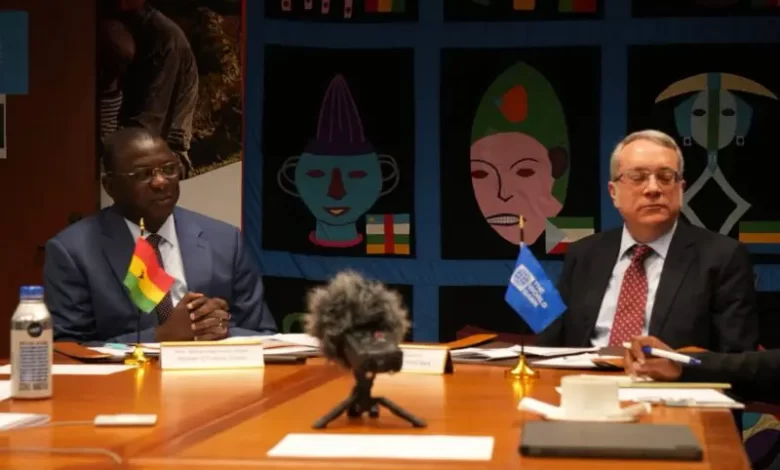
Ghana has finalized a $260 million Energy Sector Recovery Facility agreement with the World Bank, aimed at strengthening the country’s energy sector through improved financial stability and enhanced infrastructure. The signing took place in Washington, DC, during the IMF/World Bank Annual Meetings.
The facility focuses on key investments to boost revenue collection and energy quality, with specific allocations for prepaid metering and commercial meter management for utility services. Out of the total funds, $250 million comes as a loan, while $10 million is extended as a grant to Ghana’s government.

Representing Ghana, Finance Minister Dr. Mohammed Amin Adam signed the agreement, while World Bank Country Director Robert Taliercio O’Brien signed on behalf of the World Bank Group. Dr. Amin Adam highlighted the importance of the financing, describing it as essential for addressing urgent sector challenges while enhancing the quality of life for Ghanaians. “This year alone, we have allocated around 18 billion cedis to cover energy sector shortfalls, which is unsustainable,” he stated, committing to the efficient use of the funds to achieve targeted outcomes.
The agreement reflects the World Bank’s commitment to supporting Ghana’s energy transformation, with O’Brien affirming the institution’s focus on fostering sustainable growth.
Program Details and Objectives
The facility includes $250 million from the World Bank’s International Development Association (IDA) and an additional $10 million grant from the Energy Sector Management Assistance Program (ESMAP), part of a broader Ghana Energy Sector Recovery Programme for Results (PforR) spanning four years. The program aims to enhance financial sustainability within Ghana’s electricity distribution network while expanding access to clean cooking solutions across the country.

In addition to direct financing for utilities’ capital expenditure projects, the PforR will complement regulatory and policy reforms under the World Bank’s development policy framework and the IMF’s Extended Credit Facility, targeting a comprehensive, sustainable recovery for Ghana’s energy sector.


