Protecting the Vision of Ghana’s Future: World Sight Day 2024 Focuses on Child Eye Health

World Sight Day, observed each year on the second Thursday of October, is a global event aimed at raising awareness about eye health. This year, on October 10, the International Agency for the Prevention of Blindness (IAPB) leads the campaign under the theme Prioritise Child Eye Health. The 2024 campaign seeks to highlight the importance of protecting children’s vision and ensuring they have access to the necessary care to thrive.
In Ghana, the Ophthalmological Society of Ghana (OSG), in partnership with the National Eye Care Unit (NECU) of the Ghana Health Service, continues its mission to raise awareness of preventable blindness and vision impairment. With 169 ophthalmologists and 61 resident doctors, the OSG is committed to improving the nation’s eye health through advocacy and education.
The Global Impact of Vision Loss on Children
At least 450 million children around the world suffer from a sight condition requiring treatment, with nearly 90 million living with some degree of vision loss. Of these, 448 million children and adolescents struggle with refractive errors like myopia (near-sightedness), hyperopia (far-sightedness), or astigmatism, which are the most common causes of visual impairment in children.
The Consequences of Uncorrected Vision Problems
If left untreated, vision problems in children can negatively affect their education, social development, and future potential. Children with vision loss, particularly in low- and middle-income countries, are significantly less likely to attend school. However, research shows that access to spectacles can reduce school failure rates by 44%, giving children a better chance to succeed.
Good vision is essential for children’s academic progress and overall development, making it crucial to address eye health early.
Understanding Children’s Eyes
The eyes of children differ significantly from those of adults, as they are still developing. A child’s visual system matures gradually, and clear input from both eyes is required for the brain’s visual centers to develop properly. If one or both eyes do not provide a clear image, the child may develop Amblyopia, also known as “lazy eye.” This condition, if left untreated, can cause permanent vision loss.
Early detection is vital, as the effectiveness of treatment for Amblyopia decreases with age. Catching and treating eye problems early gives children the best chance to maintain healthy vision.
Leading Causes of Vision Loss in Children
Common causes of vision impairment in children include uncorrected refractive errors, congenital cataracts, Retinopathy of Prematurity (an eye disorder in premature infants), congenital ocular anomalies, corneal scarring, and cerebral visual impairment.
As we mark World Sight Day, it is important to recognize the role eye health plays in shaping the future of Ghana’s children. Early intervention and consistent awareness can help prevent the long-term effects of vision loss.
The Importance of Routine Eye Screenings
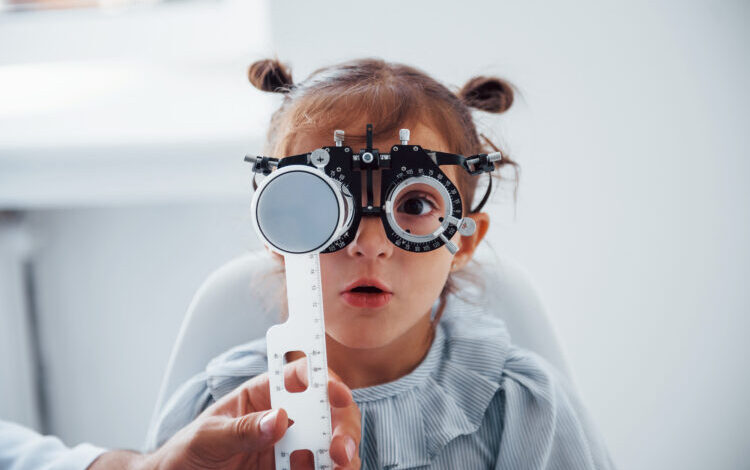
Children may not always recognize or report their vision problems, leading to delays in diagnosis and treatment. Regular eye screenings, starting as early as preschool, are critical in detecting and addressing issues like refractive errors, Amblyopia, and congenital cataracts.
Schools, parents, and healthcare providers should collaborate to ensure children undergo routine eye exams, which are key to protecting their vision.
Limiting Screen Time to Protect Young Eyes
In today’s digital world, children spend significant amounts of time on screens, whether for education or entertainment. Prolonged screen use can contribute to digital eye strain, blurry vision, and an increased risk of myopia. Research has found that children who spend more than three hours per day on screens are nearly four times more likely to develop myopia compared to those who limit their screen time to one hour.
For younger children, the effects are even more pronounced. Children aged six to seven with excessive screen use are five times more likely to develop myopia. The World Health Organization recommends limited screen exposure for young children to protect their developing eyes.
Addressing the Stigma Around Wearing Glasses
One of the biggest challenges to treating vision problems in children is the stigma associated with wearing glasses. Many children avoid wearing their prescribed glasses for fear of being teased. As a society, we must work to normalize glasses use and educate children, parents, and teachers on the importance of corrective eyewear. Wearing glasses should be seen as a responsible step towards maintaining good vision, not as a weakness.
The OSG will continue to advocate for affordable glasses for schoolchildren and promote eye health awareness across the country.
Preventing Eye Injuries: Safety Comes First
Children, being naturally active and playful, are prone to injuries, including eye trauma. Eye injuries can cause permanent damage if not treated immediately. Parents, teachers, and guardians must teach children about eye safety, particularly during sports or activities that involve sharp objects or tools. The use of protective eyewear in high-risk situations is essential to prevent ocular trauma.
Seeking Timely Medical Care for Eye Conditions
Parents should be proactive in seeking medical help if they notice signs of vision problems in their children, such as redness, squinting, headaches, or blurry vision. Many eye conditions worsen over time if left untreated, so early medical intervention is key to preventing serious complications and protecting the child’s sight.
Conclusion
This World Sight Day, let us commit to prioritizing the eye health of Ghana’s children. Their vision is essential to their development, education, and future. By ensuring regular screenings, limiting screen time, destigmatizing glasses use, preventing ocular trauma, and seeking prompt medical care, we can give every child the gift of clear vision.
Together, we can make children’s eye health a priority in every home, school, and community across Ghana, ensuring a brighter future for the next generation.