5 Fascinating Facts About Mount Everest

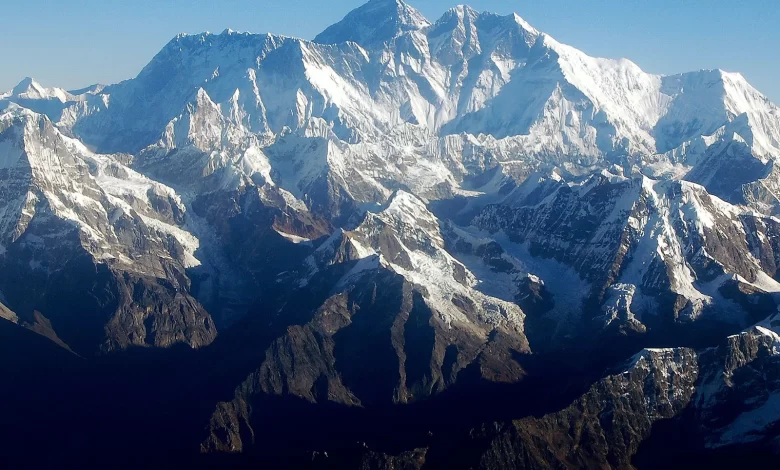
Mount Everest, renowned as the highest point on Earth, holds many intriguing stories beyond its towering height. Here are five interesting facts about this iconic mountain:
- George Everest Disapproved of His Namesake
Mount Everest is named after surveyor George Everest, but he was not pleased with the honor. In 1852, during the Great Trigonometrical Survey, the mountain was identified as the tallest in the world. Initially referred to as Peak XV, it was later suggested to name it after Everest by Andrew Scott Waugh, his successor. However, Everest preferred native place names and is said to have never even seen the mountain that bears his name.
- The Mountain is Growing
Surprisingly, Mount Everest is gradually increasing in height. Part of the Himalayan range, it was formed by the collision of the Indian and Eurasian tectonic plates millions of years ago. This geological activity continues, causing the mountain to rise by approximately 4 millimeters (0.16 inches) each year.
- A Deadly Climb
While Mount Everest attracts countless mountaineers, it is also perilous. Over 300 climbers have died in their attempts to reach the summit, with most fatalities resulting from avalanches, falls, altitude sickness, or exhaustion. Many bodies remain on the mountain, as the harsh conditions make recovery nearly impossible.
- Climbing Takes Time
An expedition to climb Mount Everest typically spans about two months. This duration includes acclimatization to high altitudes, establishing camps, and preparing for the final ascent. Climbers often spend weeks at base camp and higher altitudes to adjust to the lower oxygen levels before attempting the summit.
- The Mountain is Littered
The popularity of Everest has led to significant environmental challenges, as the mountain is now cluttered with trash left by climbers. Discarded oxygen tanks, tents, gear, and human waste have earned it the nickname “the world’s highest garbage dump.” In recent years, various cleanup initiatives have been launched to restore the mountain’s natural beauty.
Despite these challenges, Mount Everest remains a powerful symbol of adventure and human endurance, continually testing the limits of those who dare to ascend its heights.