
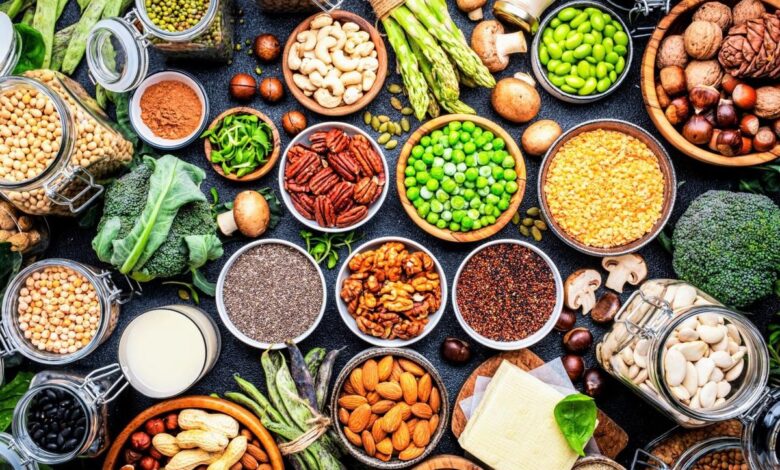
A diet richer in plant-based proteins compared to animal proteins may significantly lower the risk of cardiovascular disease (CVD) and coronary heart disease (CHD), according to a study in The American Journal of Clinical Nutrition. Researchers found that individuals with the highest plant-to-animal protein ratios experienced a 19% reduction in CVD risk and a 27% reduction in CHD risk compared to those with the lowest ratios.
Plant-Based Protein Ratios for Optimal Health
Lead author Andrea Glenn from Harvard T.H. Chan School of Public Health recommends shifting the average plant-to-animal protein ratio.
“Most Americans consume a 1:3 ratio, but our findings suggest a 1:2 ratio is much more effective for preventing CVD, while a 1:1.3 ratio or higher works best for reducing CHD risk.”
The study tracked 30 years of data from nearly 203,000 participants, analyzing their dietary patterns and health outcomes. Researchers discovered that higher plant-to-animal protein ratios correlated with the greatest reductions in heart disease risk.
Notably, the benefits plateaued at a 1:2 ratio for CVD, but CHD risk continued to drop as plant protein intake increased.
Why Plant-Based Proteins Are Better
Plant proteins, found in foods like nuts, legumes, and whole grains, provide essential nutrients, healthy fats, fiber, and antioxidants while lacking harmful saturated fats and cholesterol. These components contribute to improved blood pressure, reduced inflammation, and healthier blood lipid profiles.
Replacing red and processed meats with plant-based protein sources can lead to substantial health benefits. Dr. Frank Hu, the study’s senior author, stresses:
“Reducing meat consumption, especially red and processed meats, and eating more legumes and nuts can greatly enhance heart health and benefit the environment.”
Easy Steps to Shift Your Diet
Dr. Dana Hunnes, a senior dietitian at UCLA, advises starting small:
“Gradually replace animal proteins with plant-based options like beans, lentils, or nuts. Even minor changes can yield significant health improvements.”
Nutrition expert Christopher Gardner from Stanford adds that plant-based diets don’t have to be restrictive. Global cuisines offer countless examples of delicious plant-based meals, from rice and beans in Latin America to chickpea dishes in India.
A Growing Consensus
The findings echo dietary recommendations from global health organizations such as the World Health Organization and the American Heart Association, which advocate for more plant-based foods to improve heart health.
“This research highlights the importance of small dietary changes toward plant-based proteins for better heart health and sustainability,” says Dr. Hunnes.
Making even modest adjustments in protein sources can create long-term benefits for both personal health and the planet.