
Pneumonia: The Leading Infectious Killer of Children Worldwide – UNICEF Urges Immediate Action

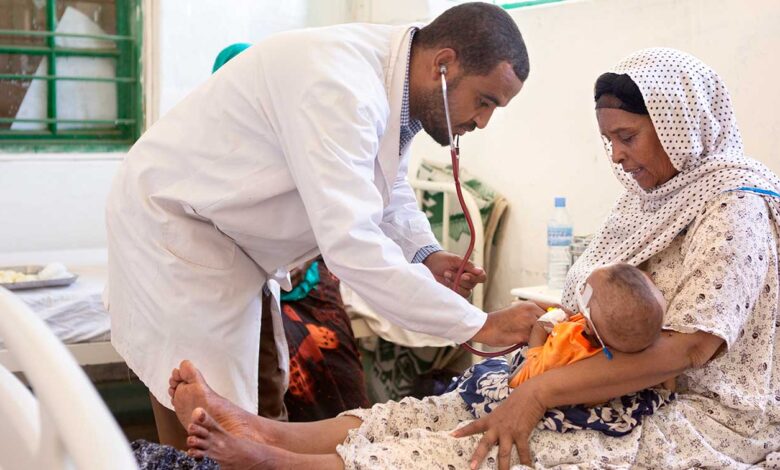
Pneumonia remains the world’s deadliest infectious disease among children, claiming more lives than any other childhood infection, according to UNICEF. Each year, pneumonia causes the deaths of over 725,000 children under five, with newborns—around 190,000 annually—particularly vulnerable.
UNICEF reports that a child dies from pneumonia every 43 seconds, deaths it calls “entirely preventable” with proper access to healthcare. “It’s unacceptable that thousands of children lack the essential health services and treatments that could prevent and treat pneumonia, saving countless lives,” the organization emphasized.
In a recent call to action, UNICEF has urged the global community to take immediate steps to eliminate preventable pneumonia deaths, reverse the disease’s impact, and safeguard every child’s right to life. The organization outlined specific priorities, including strengthening routine immunization programs and ensuring that vaccines like the Pneumococcal Conjugate (PCV), Measles, and Diphtheria-Tetanus-Pertussis (DTP) reach over 90% of children to provide widespread protection against pneumonia.
UNICEF also underscored the critical need for access to oxygen therapy, which can be lifesaving for children with severe pneumonia who struggle to breathe. The organization highlighted the importance of investing in health infrastructure and in training health workers with essential skills, medications, and diagnostic tools. “It is vital that we bring essential health services closer to families and communities,” UNICEF stated, emphasizing community engagement to foster prevention and timely treatment.
Pneumonia, an acute respiratory infection, affects the lungs and can be caused by bacteria, viruses, or fungi. It spreads through airborne particles from coughs or sneezes, as well as through fluids like blood during childbirth or contaminated surfaces. Key symptoms include coughing, difficulty breathing, fever, and in children, rapid breathing or chest retraction when inhaling.
Diagnosis of pneumonia often involves physical exams and checking breathing patterns, while severe cases may require x-rays or blood tests. In regions with limited healthcare resources, health workers may rely on counting breaths to identify cases. Treatment varies, with bacterial pneumonia commonly treated with affordable antibiotics. However, access to oxygen is often limited in low-resource areas, where it’s usually available only in larger hospitals—a gap that COVID-19 has further exposed.
UNICEF advocates preventive measures such as breastfeeding, vaccinations, clean water access, nutrition, and minimizing air pollution exposure. Studies confirm that improved hygiene practices, including frequent handwashing, can lower pneumonia risk by reducing bacterial exposure.
Vaccination remains a powerful preventive tool. Yet, UNICEF reports that 40% of children worldwide are not fully protected by the primary pneumonia-prevention vaccine, PCV. Other vaccines, including those for Diphtheria-Tetanus-Pertussis, Measles, and Haemophilus Influenzae type B (Hib), also play a role in shielding children from pneumonia.
Most pneumonia deaths occur in impoverished regions, with sub-Saharan Africa and Asia having the highest rates. Within these areas, it is typically the poorest and most marginalized children who suffer the greatest risk.
UNICEF calls for urgent global support to expand vaccination, improve access to oxygen and antibiotics, and ensure that basic healthcare is accessible to every child. Ending childhood deaths from pneumonia, the organization says, is not only achievable but an imperative in the fight for child health and survival.


