
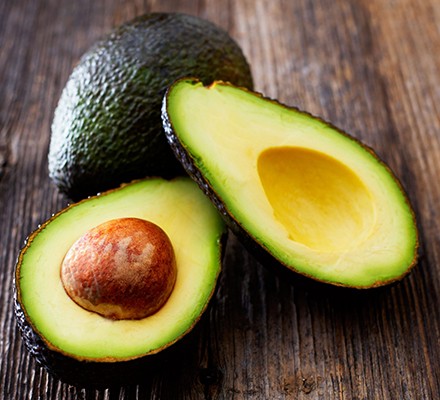
Avocados are a unique and nutritious fruit with various types, culinary uses, and notable health benefits. Here’s a look at the different types of avocados, how they’re grown, popular ways to use them in the kitchen, and the many ways they can support health.

Types of Avocados
1. Hass: The most widely consumed variety, recognized by its bumpy skin that turns darker as it ripens. Hass avocados have a rich, creamy texture and flavor, making them ideal for a wide range of dishes.
2. Fuerte: A crossbreed between Guatemalan and Mexican varieties, the Fuerte avocado has smooth green skin and a mild taste, perfect for those who prefer a lighter flavor.
3. Bacon: Known for its lighter green, smooth skin and delicate flavor, Bacon avocados have a less creamy texture but are ideal for salads and other fresh dishes.
4. Zutano: With shiny green skin and a mild flavor, Zutano avocados work well in salads, adding a creamy texture without overpowering other flavors.

Growing and Ripening
Climate Needs: Avocado trees thrive in warm, subtropical, or tropical climates and need well-draining soil to grow. They are sensitive to frost and need protection from extreme cold.
Ripening Process: Avocados mature on the tree but ripen once they’re picked. To speed up the ripening process, keep them at room temperature in a paper bag.

Popular Culinary Uses
Guacamole: A classic dip that combines mashed avocado with lime, salt, tomatoes, and onions for a zesty, creamy taste.
Salads: Sliced or diced avocados add creaminess and extra nutrients to fresh salads.
Smoothies: When blended into smoothies, avocados create a silky texture and boost the nutritional profile.
Avocado Toast: A trendy breakfast option, often topped with eggs, radishes, or herbs for added flavor and nutrition.

Important Health Considerations
Allergies: Individuals with latex allergies may experience cross-reactivity with avocados.
Caloric Density: While packed with nutrients, avocados are calorie-dense due to their fat content, so portion control can be helpful for those mindful of calorie intake.
Interesting Facts
Fruit Classification: Botanically, avocados are classified as a berry.
Cultural Significance: In some cultures, avocados are symbols of fertility and feature in various traditional recipes.
Health Benefits of Eating Avocados
1. Rich in Nutrients: Avocados are high in essential vitamins and minerals like vitamins K, E, C, B6, folate, magnesium, and potassium.
2. Heart-Healthy Fats: They contain monounsaturated fats, particularly oleic acid, which can help reduce bad cholesterol levels and support heart health.
3. High in Fiber: The fiber in avocados supports digestion, helps control blood sugar, and promotes feelings of fullness.
4. Eye Health: Antioxidants like lutein and zeaxanthin may help protect against macular degeneration.
5. Weight Management: Healthy fats and fiber contribute to a feeling of satiety, potentially reducing overall calorie intake.
6. Supports Bone Health: Avocados are rich in bone-supporting nutrients like vitamin K, calcium, and magnesium.
7. Benefits Skin: The vitamins and healthy fats in avocados promote skin health and may help reduce signs of aging.
8. Versatile in Recipes: Avocados are easy to incorporate into meals, from salads and smoothies to spreads and dips, enhancing flavor and nutrition.
Incorporating avocados into your diet is a delicious way to boost nutrition and support your health. With their versatility, you can enjoy avocados in countless recipes and reap their numerous benefits.
Credit: Abyhna Asantewaa