
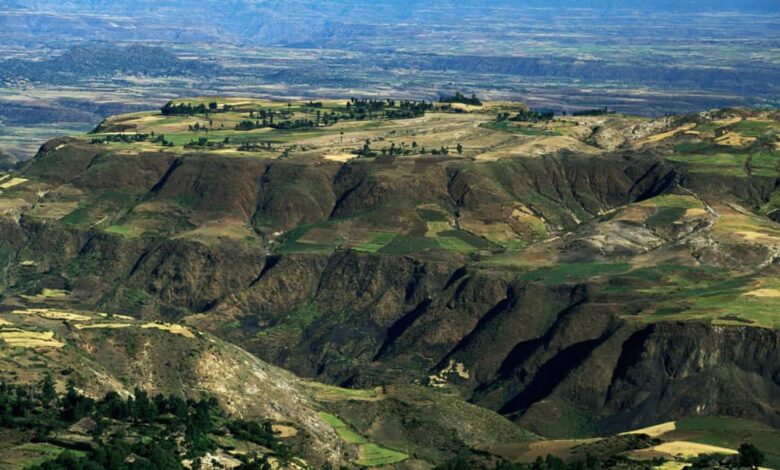
Africa is home to some of the most stunning valleys in the world, but many of these landscapes are also fraught with danger. From fierce wildlife to unpredictable natural hazards, these valleys demand caution and respect.
1. Rift Valley (East Africa)
Wildlife Threats:
The Rift Valley is home to apex predators like lions, leopards, and hyenas, as well as large herbivores such as elephants and buffalo, which can become aggressive if threatened.
Natural Hazards:
This region is a hotspot for tectonic activity, making it prone to earthquakes and volcanic eruptions.
2. Okavango Delta (Botswana)
Wildlife Threats:
This iconic delta teems with crocodiles, hippos, and venomous snakes. Hippos, in particular, are responsible for numerous human fatalities across Africa.
Natural Hazards:
Seasonal flooding during the rainy months often leads to isolation and navigation challenges.
3. Luangwa Valley (Zambia)
Wildlife Threats:
Crocodiles, hippos, lions, and elephants are abundant here, and dense vegetation can lead to sudden and potentially dangerous animal encounters.
Natural Hazards:
Seasonal flooding poses risks, while diseases like malaria are prevalent in the area.
4. Ngorongoro Crater (Tanzania)
Wildlife Threats:
The crater is densely populated with predators such as lions and hyenas. Close encounters with these animals can be risky for visitors.
Natural Hazards:
The steep walls of the crater increase the risk of landslides, especially during heavy rains.
5. Dinder Valley (Sudan)
Wildlife Threats:
This valley is known for its high concentration of crocodiles, snakes, and other dangerous animals.
Natural Hazards:
Extreme heat, combined with limited access to water and medical facilities, makes this area particularly hazardous.
While these valleys offer breathtaking natural beauty, their risks are not to be underestimated. Visitors are strongly advised to follow local safety guidelines, travel with experienced guides, and remain vigilant to ensure a safe and memorable experience.
Source: Abyhna Asantewaa