
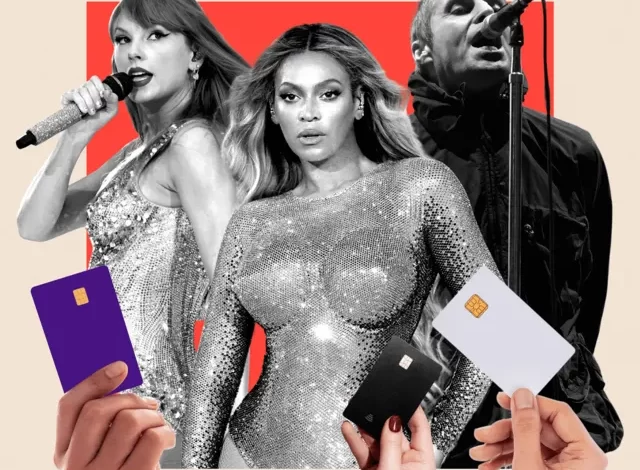
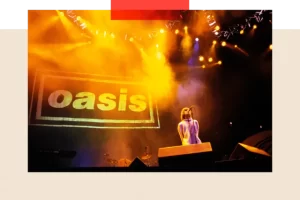
In 2009, a standing ticket to see Oasis at Wembley Stadium cost £44.04. Fast forward to their upcoming 2024 show, and the same ticket is now priced at £150 over double the original price, even accounting for inflation, which would adjust the cost to £68. On top of that, some fans were forced to pay even more due to “dynamic pricing,” a system that hikes up ticket prices when demand is high.
Oasis isn’t alone in this. If you’ve visited Ticketmaster recently, you’ve likely noticed that the price of concert tickets has skyrocketed. Ticket prices rose by 23% last year, on top of a 19% increase post-pandemic. Nowadays, attending a live gig can feel as costly as going on vacation, with no sign of prices cooling down.
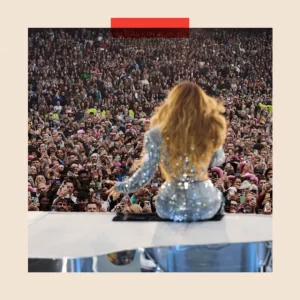
At the higher end of the spectrum, Madonna’s VIP passes for her Celebration tour were priced at £1,306.75, while Beyoncé offered fans the chance to sit on stage at her Renaissance concerts for a staggering £2,400. Across the board, the average ticket price for the top 100 tours worldwide hit £101 in 2023, up from £82 the previous year, according to Pollstar, a trade publication tracking the concert industry.
In the UK, 51% of people admit that high prices have stopped them from attending at least one concert in the past five years. Among those aged 16 to 34, two-thirds have cut back on the number of gigs they attend. Despite this, high-priced shows for big-name artists continue to sell out.
A Growing Divide Between Fans
For fans like Abbi Glover, 33, from Lincolnshire, the surge in ticket prices is creating a divide. “I work hard and earn a decent wage. What do I have to do to just enjoy these things when I’m doing everything I possibly can?” she asks, reflecting the frustration of many who feel priced out of live music.
Though UK ticket prices are lower than in the US, industry experts predict that the UK will catch up in five to 10 years. So, what’s driving this surge in ticket costs?
The Role of Dynamic Pricing and Artist Greed
While greed may seem like an easy explanation, it’s certainly a contributing factor. Gideon Gottfried, Pollstar’s European editor, suggests that many artists simply want to maximize their earnings.
Bruce Springsteen, for example, embraced dynamic pricing during his 2023 US tour, where some tickets were priced as high as $5,000 (£3,874). Springsteen justified the move by stating that he’d rather see the money go to the band than to ticket resellers.
Kiss star Gene Simmons also defended the practice, telling *Forbes*: “If you’re not selling tickets, the price goes down. Capitalism! Vote with your money. Don’t like the pricing? Don’t buy a ticket.”
Other artists who’ve adopted dynamic pricing include Coldplay, Harry Styles, Olivia Rodrigo, and Taylor Swift—although Swift abandoned the practice after backlash during her Eras tour.
Beyond Greed: Other Factors Influencing Price Hikes
While some artists may be seeking bigger paydays, there are other factors driving up prices. Streaming services, for instance, have reduced artists’ earnings, with most making just 5% of their income from streaming. This has led to a shift, where touring has become one of the few reliable ways for musicians to make money.
The uncertainty surrounding the future of the music industry also plays a role. In a world where an artist’s career can be defined by a TikTok trend, many are trying to capitalize on their popularity while they can.
On top of that, the cost of touring has surged since the pandemic. Travel, freight, accommodation, catering, and stage equipment costs have all risen significantly, forcing artists to pass these expenses onto fans through ticket prices.
Efforts to Keep Concerts Affordable
Not everyone is charging exorbitant prices. Punk-pop star Yungblud capped tickets for his festival in Milton Keynes at £49.50, while Paul Heaton and Caity Baser have also made efforts to keep their shows affordable, with tickets priced as low as £35 and £11, respectively.
However, these artists often have smaller productions without the extravagant light shows and pyrotechnics seen at larger concerts. For big-name acts, the cost of putting on a tour has ballooned, meaning even higher ticket prices may be necessary just to break even.
Are Fans Reaching a Breaking Point?
Though some fans are cutting back, the biggest tours continue to thrive. Live Nation, the world’s largest concert promoter, sold a record 118 million tickets in the first half of 2024. Fans’ enthusiasm remains high, despite the economy, and VIP ticket sales are on the rise.
Yet, the question remains: How long will fans be willing to pay these outrageous prices? While some, like Leah Rafferty, a 27-year-old Swiftie, are happy to spend whatever it takes, others may soon be forced to reconsider how much they’re willing to sacrifice to see their favorite artists.
With the concert industry pushing the limits of what fans are willing to pay, only time will tell if this trend can continue or if a tipping point will finally be reached.
Lead Image: Getty images S
Source: BBC


